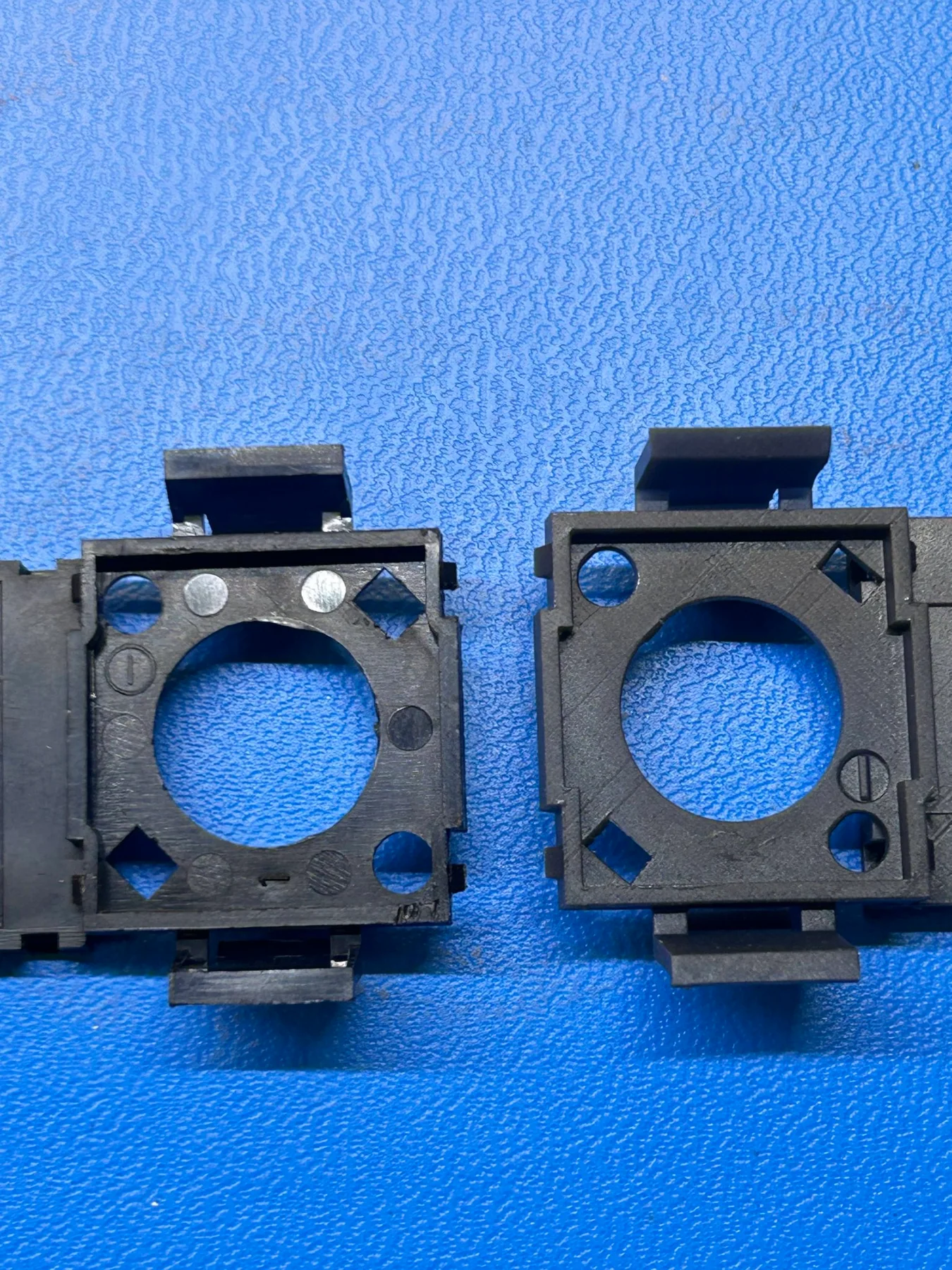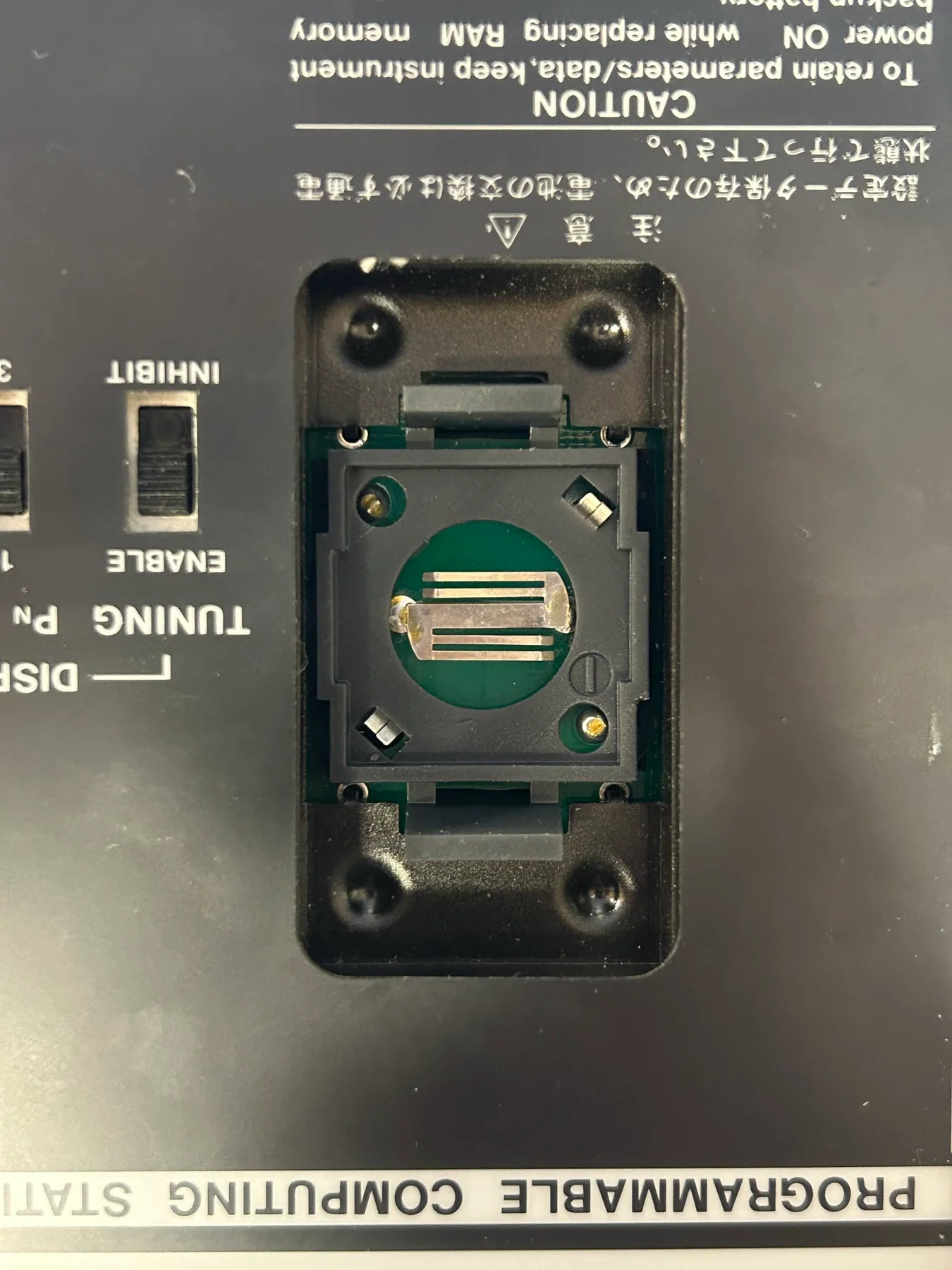
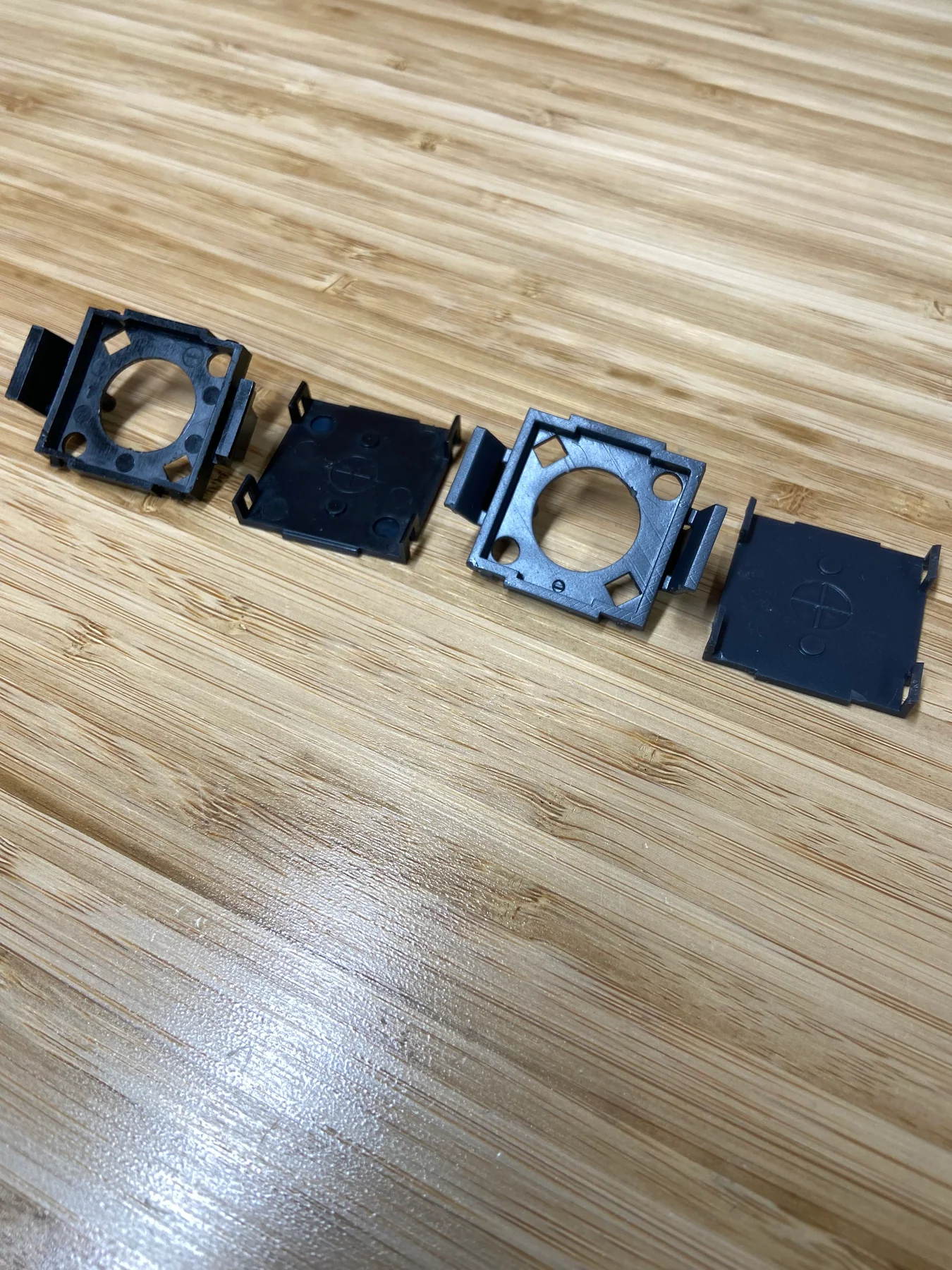
This was part obsolescence in its purest form: the overseas supplier of a battery tray assembly no longer offered the component, no drawings existed, and exactly one intact unit remained to keep a fleet of instruments serviceable.
The challenge
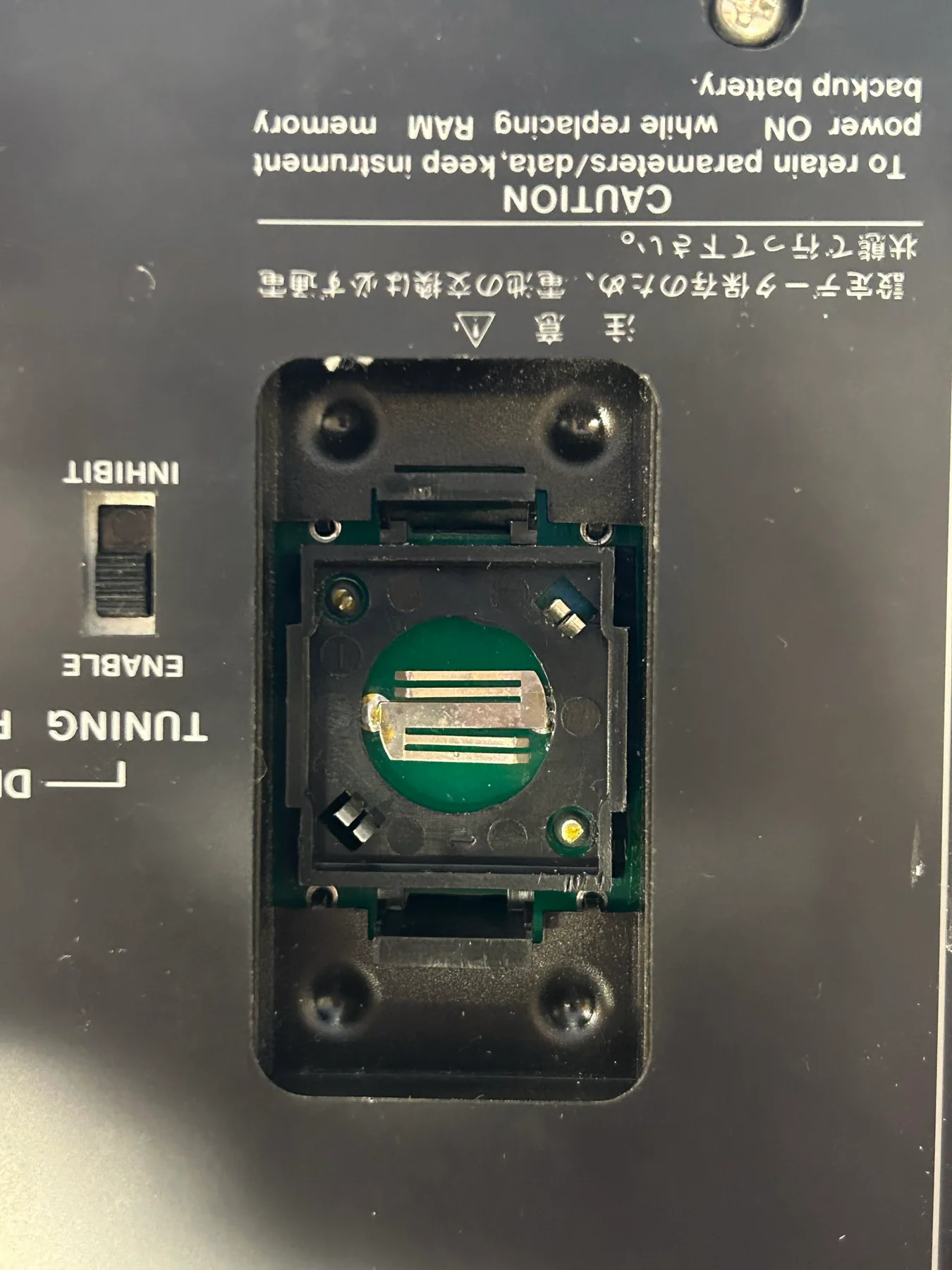
The battery tray is a small assembly — a base and a snap-fit cover — but without it the instrument cannot hold its backup battery, and without the backup battery it loses configuration data on every power cycle. The client needed a dependable supply of replacements, starting from a single surviving example.
Because the last unit had to stay in service, every measurement and test had to treat it as irreplaceable.
Our approach
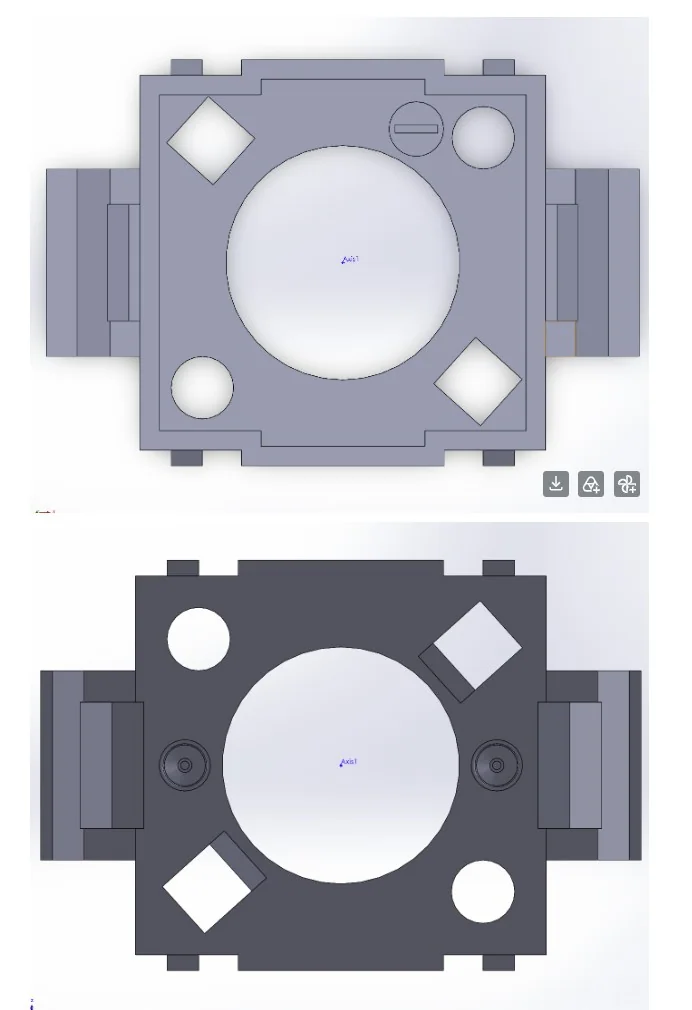
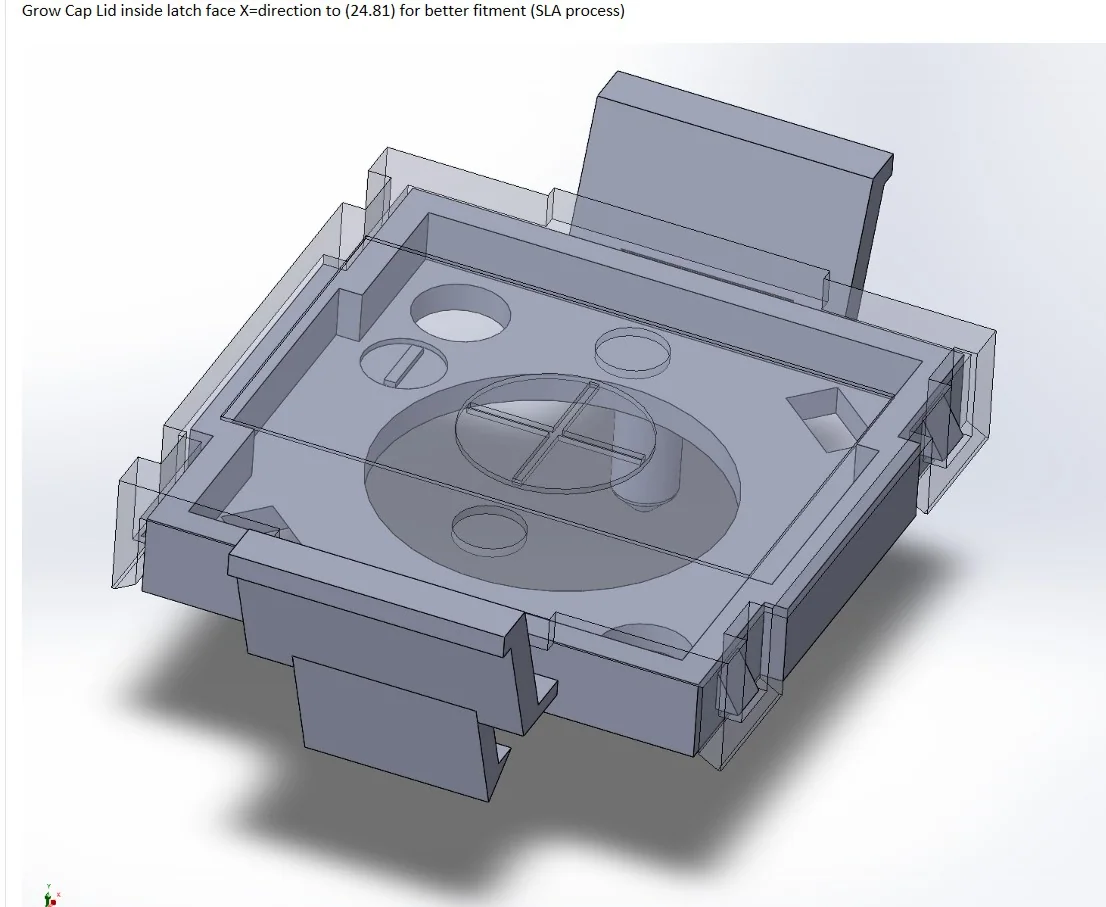
We measured the surviving assembly and reconstructed both components as parametric CAD models, capturing the snap features, latch faces, and clearances that make the parts work as a pair.
SLA prototypes went to the client for fit, form, and function evaluation in the actual instrument. Feedback from that first article drove a design revision — including a latch-face adjustment sized specifically for the SLA process — before anything moved to quantity production.
- Reverse-engineered base and cover into controlled CAD models
- SLA-printed prototypes for in-device fitment trials
- Design revision informed by first-article feedback
- Detailed drawings delivered alongside the parts
The outcome
With fitment confirmed against the device architecture, we finalized the geometry and delivered 200 end-use battery tray assemblies produced with SLA additive manufacturing, along with detailed drawings.
The client went from one irreplaceable unit to a documented, repeatable supply — and the digital definition now exists for any future run.